How to Open a Flower Shop: A 2026 Startup Checklist
Opening a flower shop involves premises, stock, people and a reliable way to take orders. Plan the order workflow alongside the name and branding so you can test it before opening day.
This is the checklist in the order the work actually happens, with honest notes on where new florists lose money.
Decide what kind of shop you are before anything else
There are four broadly different businesses hiding under the words "flower shop", and they need different capital, different space and different systems:
- Walk-in retail. A storefront with footfall. Highest rent, highest impulse revenue, most cold storage.
- Studio / by-appointment. No footfall, much cheaper space, revenue leans on weddings and events.
- Online-first delivery. Little or no public-facing space. Lives or dies on your website and delivery logistics.
- Event and wedding specialist. Project-based, lumpy cash flow, high average order value, long lead times.
Nearly every viable shop is a blend, but one of these has to be the centre of gravity. It determines your lease, your staffing pattern and how much of your budget belongs online rather than on the street.
If you are unsure, start narrower than feels comfortable. It is far easier to add weddings to a working retail shop than to rescue a shop that tried to be all four from day one.
The licensing and paperwork layer
Check registration, taxes, insurance, premises and any product-specific permits with the authorities and advisers for your location. Requirements and processing times differ; an EIN, resale certificate or particular permit is not a universal requirement for every shop in every country. The U.S. SBA launch guide is a starting point for U.S. businesses, not a substitute for local requirements.
Cold storage is the decision you cannot undo cheaply
A florist's gross margin is a race between what you paid for a stem and how long it survives. Cold storage is what buys you time, and it is the single hardest thing to retrofit into a space you have already fitted out.
Work out your storage need from your peak week, not your average one. Valentine's Day and Mother's Day may create demand peaks. Estimate capacity and potential waste from your own sales plan rather than assuming a particular share of annual revenue.
If the budget will not stretch to a walk-in on day one, take a reach-in and design the layout so a walk-in can be added later — plumbing, drainage and a clear path for the panels. Retrofitting into a finished shop means tearing out finished work.
Sourcing: build two relationships, not one
New florists usually start with one wholesaler and discover the problem during their first holiday, when that wholesaler is rationing stems to their oldest accounts.
Open accounts with at least two wholesalers before you need them, and place small orders with the second one regularly so the relationship is real. If local growers are available in your market, they are worth the extra admin: shorter supply chains mean fresher product and a genuine story to tell customers, which is worth real money in a category where everyone else is selling roses that look the same.
Pricing: the markup rule and its limits
Build prices from your own purchase costs, waste, labor, overhead and delivery work. A markup shortcut is an assumption to test, not a reliable profit forecast.
Where it breaks down:
- Delivery. Compare flat and zone-based fees using actual trip costs. Explain any changes clearly and measure the response. We wrote up how to structure that in flower delivery pricing by zone.
- Holidays. Wholesale rose prices can double or worse in the run-up to Valentine's Day. If your retail prices are static, your best-selling week is your worst-margin week.
- Add-ons. Vases, chocolates, balloons and cards carry different margins than stems and should not be buried in a single bundled price.
Staffing follows your calendar, not your headcount plan
Floristry demand is spiky in a way most retail is not. A staffing plan built on average weekly demand will be overstaffed in February's first week and underwater in its second.
Plan for a small permanent core who can design, plus a known, pre-briefed pool of casual help for holidays and wedding season. Train the casual pool before the peak, not during it. The cost of an untrained extra pair of hands on Valentine's morning is negative.
The online setup most new florists leave too late
Here is the part that gets four sentences in most checklists and deserves a section.
A flower shop is not a general retail store, and general ecommerce tooling does not know that. Out of the box, a standard store lets a customer pick a product, pay, and enter one address. A florist order needs considerably more:
- Who is receiving it, which is usually not the person paying.
- What the card should say — the single most-forgotten field, and the one that generates the most support calls when it is missing.
- When it should arrive, including whether same-day is even possible given your cutoff.
- Where it is going, which determines whether you can deliver at all and what it should cost.
- What occasion it is for, which drives both the design and every sensible upsell.
Capture those at checkout and the order arrives complete. Miss them and every order becomes a phone call, which is a cost that scales linearly with your success.
When evaluating NuFlorist, use these requirements as demonstration questions and confirm theme, plan and integration limits. Our Shopify setup guide explains how to compare the features already available in your store with the gaps you still need to test.
Do not run the counter and the website as two businesses
The most common operational mistake in year one is treating in-store and online as separate systems. Two inventories, two order lists, two sets of prices, and a Sunday afternoon spent reconciling them.
Whatever you choose, the counter and the website should write to the same place. That is the entire argument for running a proper florist POS rather than a generic card reader and a notebook — a phone order and a web order should land in one queue, in one format, with the same fields filled in.
Rehearse the first order before opening day
A soft opening needs a repeatable test, not just a friendly customer saying the website looks good. Choose one arrangement, one optional add-on and a fictional recipient. Run the order on a phone and then rehearse the same request at the counter. Use your payment provider's supported test mode or an agreed internal test process; keep test orders out of the delivery queue.
Write the expected result beside each check before you start. This makes it easier for someone other than the person who configured the store to spot a mistake.
- Recipient and buyer: use different names. Confirm the preparation team can tell who receives the flowers and who should be contacted about payment.
- Card message: enter a short greeting with punctuation and an accented name. Check it on the saved order and on the printed card, if printing is part of your process. Repeat with an intentional no-card choice.
- Date and service: try delivery and pickup separately. Test a date you accept, a blocked date and a time after your cutoff. Compare the final checkout result with the promise shown before payment.
- Address and fee: test an address inside your service area and one outside it. Verify the final charge and available options; a cart estimate alone does not prove checkout behavior.
- Add-on and quantity: add one extra item, change the arrangement quantity and remove the extra item. Check the final order lines and total against what you intended to buy.
- Handoff: ask a colleague to prepare the sample from the saved order without verbal instructions. Record every question they need to ask, then fix the missing information before opening.
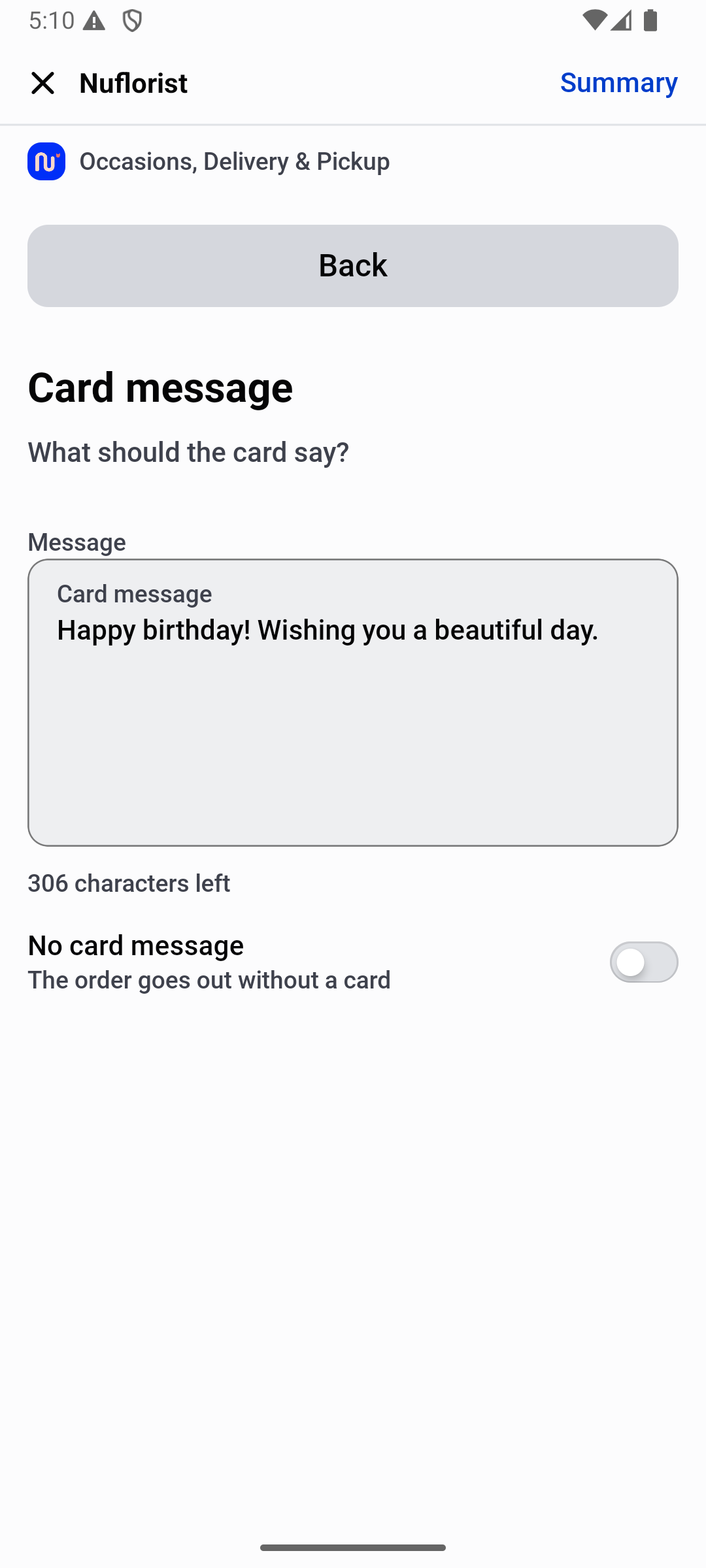
Keep a short opening-day handoff sheet
For each test, record the channel, expected date and fee, actual result, person responsible and retest result. Keep customer-facing opening hours and delivery promises beside that sheet so the team can compare them with the settings. A screenshot is useful evidence of a screen; it is not a substitute for checking the final order.
If a required detail disappears, pause that service or checkout route until you have corrected and retested it. Start with the services your team can reliably fulfill and add complexity after the handoff works.
A realistic first-90-days sequence
This is an illustrative sequence, not a promised opening timeline. Adjust it for local approvals, equipment lead times and your budget.
- Weeks 1–3. Confirm applicable registration, tax and insurance requirements. Contact suppliers.
- Weeks 2–5. Sign the lease. Order cold storage first, because it has the longest lead time.
- Weeks 4–7. Fit out. Build the website in parallel — not after — so it is not a rushed afterthought.
- Weeks 6–8. Set delivery zones and cutoffs. Decide your holiday pricing rules now, while calm.
- Weeks 7–9. Soft open to friends and family. Deliberately push orders through the website even for people standing in front of you, so you find the broken bits.
- Weeks 9–12. Public open. Fix what the soft open exposed. Do not launch into a major holiday.
That last point deserves emphasis: do not open into Valentine's week. It is tempting because the revenue is there, and it is how new shops burn their reputation on their first hundred orders.
Is a flower shop profitable?
It can be, and the shops that get there tend to share the same traits: they know their delivery costs per zone rather than guessing, they sell add-ons deliberately rather than hopefully, and they do not lose margin to unbilled phone time fixing incomplete orders.
None of those are about flowers. They are about the systems around the flowers — which is why the online setup belongs in week four of your plan, not week forty.